Chapter 9 from 10 Disasters That Ruined Smart People
Elie Wiesel and Bernard Madoff: The Myth of Exclusivity
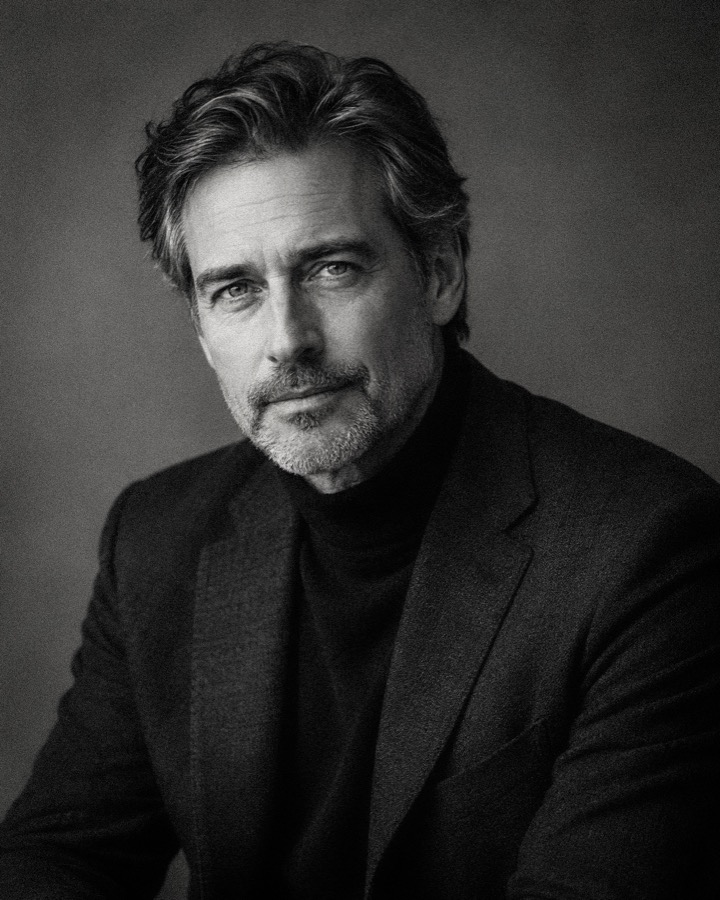
In early 2009, at a breakfast panel in New York, Elie Wiesel described what had happened to his money. “We gave him everything,” he said. “We thought he was God, we trusted everything in his hands.”77
Wiesel was a survivor of Auschwitz and Buchenwald, the author of Night, and the winner of the 1986 Nobel Peace Prize.78 He had spent decades as one of the world’s most respected moral voices. The man he was speaking about was Bernard Madoff, whose investment business had just been revealed as a Ponzi scheme of historic size.
Wiesel came to Madoff through a friend who had known Madoff for fifty years and invested with him. Wiesel later recalled that the friend had told him, in effect, that he wasn’t rich enough to get in. Madoff did not accept just anyone. That, Wiesel said, was part of the appeal. “It was a myth that he created around him,” he said, “the myth of exclusivity.”79
Wiesel first invested his personal savings. The returns were consistently good, so he invested more, including money belonging to the Elie Wiesel Foundation for Humanity. He met Madoff twice, at dinners, and was impressed by his reputation as a philanthropist.80
The rest of this chapter is in the complete book.
It continues with the mechanism behind the loss and ends with The Pattern, plus the sources for every claim.
Notes and sources
Read the whole story.
The complete digital edition: all ten chapters, The Seven Patterns, 97 endnotes and every source. 64 pages, PDF, $19.